
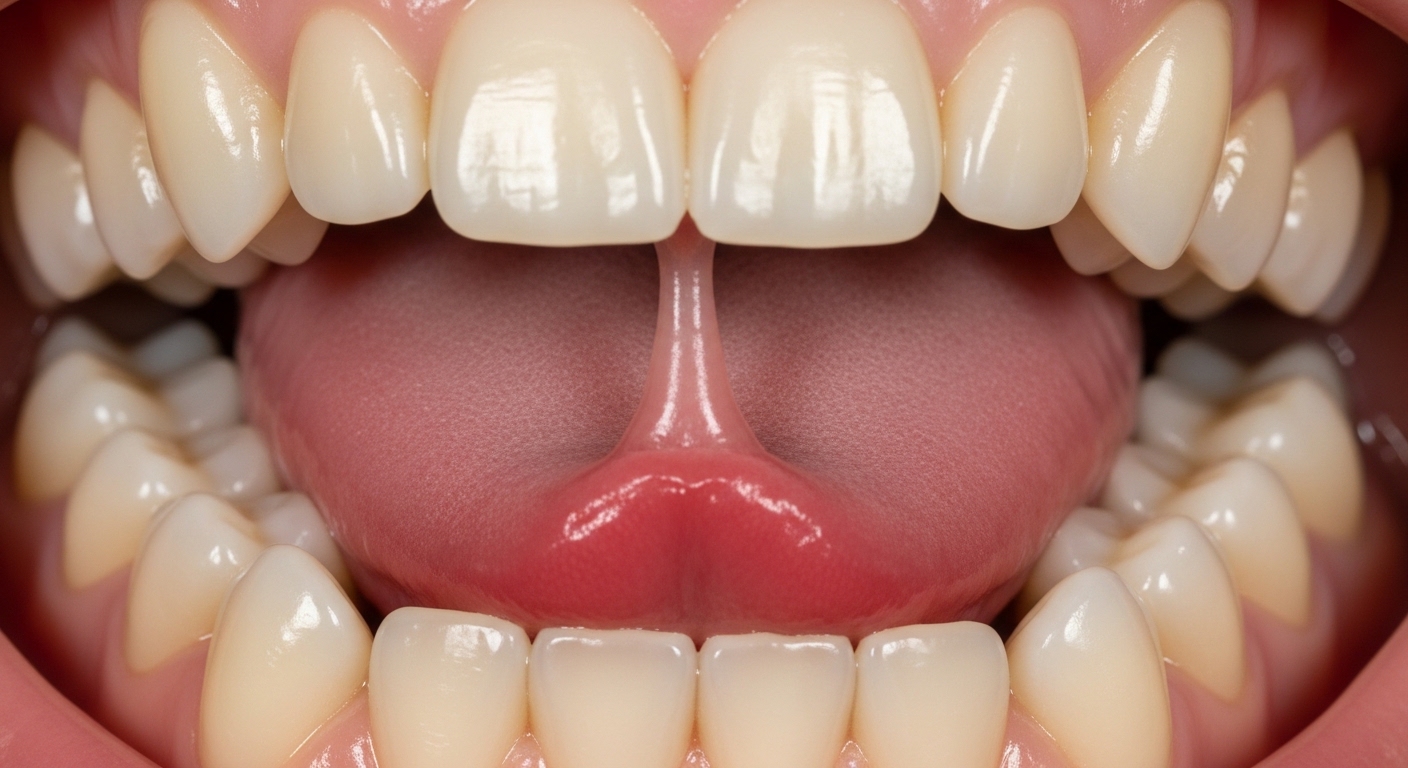
A frenectomy procedure is a minor dental surgery that removes or reshapes a tight frenum, the small band of tissue connecting the tongue, lips, or cheeks to the gums. In Australia, this treatment is commonly performed to manage tongue-tie, lip-tie, orthodontic concerns, speech limitations, or gum tension.
If you are researching how a frenectomy procedure is performed, whether it hurts, and what healing involves, this comprehensive guide explains each stage clearly, including recovery timelines and suitability considerations for children and adults.
Quick Answers
What is a frenectomy procedure?
A frenectomy procedure is a minor surgical treatment that removes or releases a restrictive frenum inside the mouth. It is commonly performed to treat tongue-tie, reduce gum tension, or support orthodontic treatment. Modern dental lasers are often used to improve comfort and healing outcomes.
How is a frenectomy performed?
A frenectomy is performed under local anaesthetic. The dentist releases the tight tissue using a dental laser or surgical instrument. The procedure typically takes 15 to 30 minutes. Laser frenectomy procedures often involve minimal bleeding and usually do not require stitches.
Does a frenectomy hurt?
You should not feel pain during the procedure because local anaesthetic is used. Mild soreness, tightness, or swelling may occur afterwards. Most patients describe discomfort as manageable with over-the-counter pain relief and simple aftercare measures.
How long does frenectomy recovery take?
Initial healing usually occurs within 7 to 14 days. Most adults resume normal activities within 24 hours. Full tissue remodelling may take several weeks depending on the individual and the treatment method used.
Is laser frenectomy better than traditional surgery?
Laser frenectomy procedures typically result in less bleeding, reduced swelling, and faster healing. However, suitability depends on patient age, anatomy, and clinical goals.
What Is a Frenum and Why Can It Cause Problems?
A frenum is a small fold of connective tissue that stabilises movement inside the mouth. The main types include:
- Lingual frenum under the tongue
- Upper labial frenum between the upper lip and front gums
- Lower labial frenum beneath the lower lip
- Buccal frenum connecting cheeks to gum tissue
In many people, the frenum functions normally. However, if it is unusually short, thick, or tight, it may restrict movement or create tension.
Common concerns include:
- Difficulty breastfeeding in infants
- Limited tongue mobility
- Speech articulation issues
- A gap between upper front teeth
- Gum recession caused by tension
- Discomfort when speaking or eating
In such cases, a frenectomy procedure may be recommended.
For more information on tongue-tie specifically, see our guide on what is a tongue-tie and our detailed page on frenectomy and tongue-tie treatment.
Types of Frenectomy Procedures
1. Lingual Frenectomy
Performed to release tongue-tie, also known as ankyloglossia. This improves tongue mobility and may assist with feeding, speech, and oral function.
2. Labial Frenectomy
Performed to address a restrictive lip frenum that may:
- Contribute to spacing between teeth
- Cause gum tension
- Interfere with orthodontic treatment
3. Buccal Frenectomy
Less common, usually performed when cheek tension affects gum health or denture stability.
How Is a Frenectomy Performed?
Understanding how a frenectomy is performed helps reduce anxiety and clarify expectations.
Step 1: Comprehensive Assessment
The dentist evaluates:
- Tongue or lip mobility
- Feeding or speech concerns
- Gum health
- Orthodontic considerations
- Medical history
In infants, collaboration with lactation consultants may be recommended.
Step 2: Anaesthetic
Local anaesthetic is applied to ensure comfort. For infants, topical or minimal anaesthesia may be used depending on age and circumstances.
Step 3: Tissue Release
The restrictive frenum is carefully released using either:
- A soft tissue dental laser
- A sterile surgical instrument
Laser frenectomy procedure steps typically involve precise energy application that both cuts and seals tissue simultaneously.
Step 4: Bleeding Control
Laser treatment often minimises bleeding because it cauterises blood vessels during the procedure.
Step 5: Sutures if Required
Traditional techniques may require stitches. Laser procedures often do not.
Step 6: Post-Operative Instructions
Patients receive clear written and verbal aftercare instructions to support healing.
The entire appointment usually takes between 15 and 30 minutes.
You can learn more about the advantages of modern soft tissue treatment in our overview of the benefits of laser dentistry.
Laser Frenectomy vs Traditional Surgical Frenectomy
| Feature | Laser Frenectomy | Traditional Frenectomy |
| Bleeding | Minimal | Moderate |
| Stitches | Rarely required | Often required |
| Swelling | Reduced | Slightly more common |
| Healing time | Often faster | Slightly longer |
| Infection risk | Lower due to tissue sterilisation | Standard surgical risk |
| Post-operative discomfort | Generally mild | Mild to moderate |
Laser treatment is particularly suitable for anxious patients and young children due to reduced tissue trauma.
Does a Frenectomy Hurt?
This is one of the most common concerns patients ask.
During the procedure:
- Local anaesthetic prevents pain
- You may feel pressure but not sharp discomfort
After the procedure:
- Mild soreness is common
- Swelling may occur
- A small white or yellow healing patch may form at the site
- Tightness during stretching exercises may be noticeable
Most patients manage symptoms using:
- Paracetamol or ibuprofen as advised
- Soft, cool foods
- Avoiding spicy or acidic meals temporarily
If pain increases significantly after 48 hours, contact your dentist for review.
Frenectomy Recovery and Aftercare
Proper aftercare reduces complications and supports optimal healing.
First 24 Hours
- Avoid hot foods and beverages
- Avoid vigorous rinsing
- Maintain gentle oral hygiene
Days 2 to 7
- Perform any prescribed stretching exercises
- Rinse with warm salt water if recommended
- Resume normal brushing carefully
Weeks 2 to 4
- Tissue gradually strengthens
- Mobility improvements become more noticeable
- Any mild residual tightness reduces
Surface healing generally occurs within 7 to 14 days. Complete tissue remodelling can take several weeks.
Risks and Limitations
Although a frenectomy is considered a safe minor oral surgery, potential risks include:
- Temporary swelling
- Mild bleeding
- Scar tissue formation
- Infection, which is rare
- Reattachment if exercises are not followed
According to the Australian Dental Association, minor oral surgical procedures should be performed by trained dental professionals to reduce complications and ensure appropriate diagnosis.
Who Is Suitable for a Frenectomy?
You may be a suitable candidate if you experience:
- Restricted tongue mobility
- Feeding difficulties in infants
- Speech concerns related to tongue movement
- Orthodontic spacing associated with a thick labial frenum
- Gum recession caused by frenum tension
Not Ideal If:
- Active oral infection is present
- Gum disease is untreated
- Underlying skeletal jaw discrepancies require specialist care
A thorough dental assessment determines appropriateness.
Cost of a Frenectomy in Australia
Costs vary depending on:
- Laser versus traditional technique
- Complexity of restriction
- Age of patient
- Whether sedation is required
- Location of the dental practice
In private dental clinics, frenectomy procedures typically range from approximately $300 to $1,200 depending on clinical complexity.
Medicare generally does not cover frenectomy procedures performed in private dental settings. Some private health extras policies may provide partial rebates.
What This Means for Patients in Neutral Bay, NSW
For patients in Neutral Bay and surrounding Sydney suburbs, access to modern laser dental technology allows for:
- Shorter appointment times
- Minimal downtime
- Reduced swelling
- Comfortable treatment experience
Cosmic Smile Laser Dental provides assessment and treatment tailored to each patient’s anatomy and needs.
Professional Consultation
If you are experiencing symptoms of tongue-tie, lip restriction, or gum tension, a professional assessment is the safest next step.
At Cosmic Smile Laser Dental in Neutral Bay, NSW, we provide comprehensive evaluation and modern laser frenectomy procedures.
Visit our homepage, explore our detailed frenectomy and tongue-tie treatment page, or call +61 2 9904 2880 to arrange a consultation and discuss whether a frenectomy procedure is appropriate for you.
FAQ
- How long does a frenectomy procedure take?
Most procedures take between 15 and 30 minutes, depending on complexity and technique used. - Is general anaesthetic required?
Most adults and children only require local anaesthetic. General anaesthesia is rarely needed in dental settings. - Can a frenectomy close a gap between front teeth?
A frenectomy can prevent a gap from reopening after orthodontic treatment, but braces are usually required to close the space. - Can the frenum reattach after surgery?
Reattachment can occur if stretching exercises are not followed during healing. - Is frenectomy safe for infants?
Yes, when properly assessed and performed by trained clinicians. - When can I return to work or school?
Most adults return to normal activities within 24 hours. - Will speech improve immediately?
Mobility may improve immediately, but speech therapy may still be required in some cases. - Does private health insurance cover frenectomy?
Some extras policies may cover part of the procedure. Check your individual limits and waiting periods. - What foods should I avoid after treatment?
Avoid hot, spicy, acidic, or hard foods for several days to reduce irritation.
10. Is laser frenectomy suitable for everyone?
Most patients are suitable candidates, but final assessment depends on anatomy, age, and oral health status.
